INGENIO (CSIC-UPV) coordinates this international initiative, which will bring together researchers and stakeholders from the agricultural sector to develop solutions for more sustainable agri-food systems.
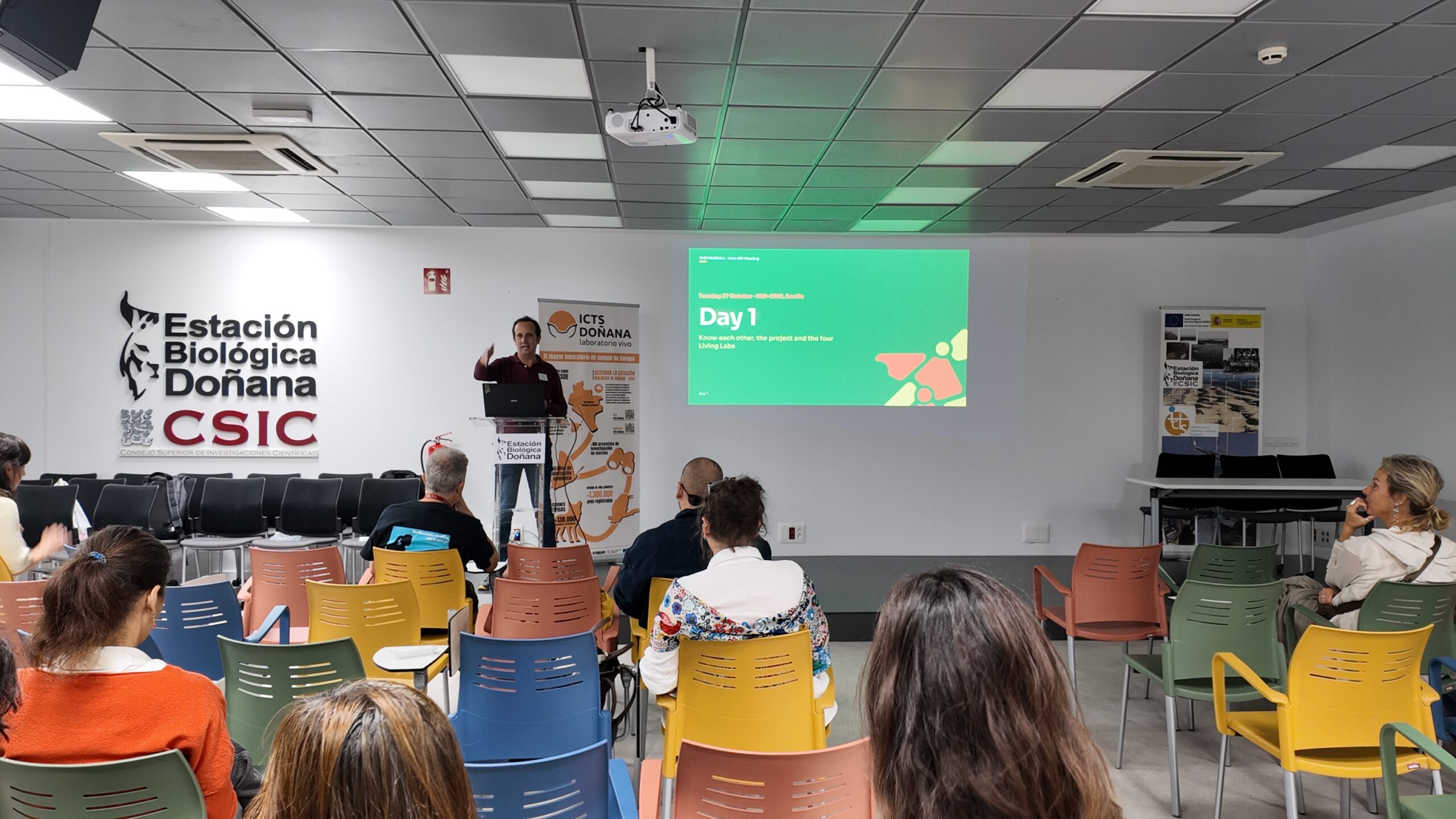
The European project EMPOWERALL, coordinated by INGENIO (CSIC-UPV), has kicked off with a meeting at the Doñana Biological Station (EBD-CSIC), bringing together around 30 participants from institutions across six European countries. The meeting aimed to launch a research initiative focused on strengthening the role of young farmers in the transition towards more sustainable agri-food systems.
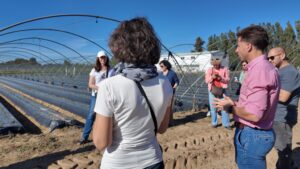
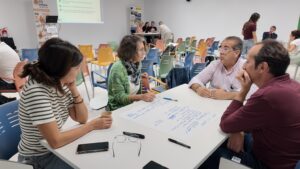
During the meeting, participants introduced the project teams and the four Agroecological Living Labs that will be established in Spain, France, Slovakia and Romania. They also agreed on common methodologies and the schedule of activities for the first year.
EMPOWERALL aims to overcome the economic, social, political and environmental barriers that hinder young farmers’ participation in the transformation of the agricultural sector. To this end, the project will establish four agroecological innovation labs where farmers, researchers, public authorities and other local stakeholders will work together to identify challenges, experiment with new agricultural practices and develop solutions tailored to the needs of each territory.
Four living labs to advance the agroecological transition
The three-year project is coordinated at INGENIO by Pablo F. Méndez and Cristina Chaminade. Their work will focus on leading the design and establishment of the four Agroecological Living Labs, as well as analysing the stakeholders and agricultural knowledge and innovation networks in each territory.
In addition, INGENIO will directly lead the Doñana Living Lab, in collaboration with the Puerta de Doñana Farmers’ Association, and examine the participation and governance mechanisms that can enable young farmers to play a leading role in the agroecological transition.
Through this research, EMPOWERALL aims to promote new sustainable agricultural practices, strengthen young farmers’ participation in decision-making and develop recommendations that contribute to the transformation of European agri-food systems.