A team from INGENIO advises on the development of a hydrogel for chronic wounds
A team of researchers from the INGENIO Institute, a joint center of the Spanish National Research Council (CSIC) and the Polytechnic University of Valencia (UPV), is participating in the European project INJECTHEAL, within which an innovative injectable treatment is being developed. This treatment is designed to accelerate healing in deep and hard-to-reach wounds that affect more than 300 million people worldwide.
The INJECTHEAL project is funded by the European Union with €7.3 million and aims to develop a 4D self-adhesive and self-healing hydrogel, designed not only to deliver drugs precisely where needed but also to actively support tissue regeneration and reduce infection-related inflammation. Once completed, the hydrogel —developed from safe and sustainable materials— will represent a radical breakthrough in the treatment of chronic wounds, especially deep ones, which are difficult to treat with existing therapies. Chronic wounds in deep cavities are a major source of pain, reduce patients’ quality of life, and account for between 2% and 4% of healthcare costs in Europe, according to project sources.
Early and life cycle assessment
The INGENIO team will receive more than €170,000 and will play a key role in conducting the Early Health Technology Assessment (eHTA) and the Life Cycle Assessment (LCA) of the INJECTHEAL technology. The eHTA will use a multi-criteria decision analysis (MCDA) approach to evaluate the clinical, economic, social, environmental, and regulatory dimensions of the hydrogel platform, comparing it with existing solutions for chronic wound care and guiding future regulatory and commercialization strategies.
“This assessment will integrate input from multiple stakeholders, including patients and healthcare professionals, to ensure the relevance and usefulness of the technology,” says David Barberá, researcher on the INGENIO (CSIC-UPV) project.
“The goal of our work is to support responsible innovation by aligning clinical effectiveness, patient value, economic viability, and environmental sustainability,” Barberá adds. “INJECTHEAL offers us a unique opportunity to apply early health technology assessment tools and life cycle analysis within a deeply interdisciplinary framework. In a context of growing regulatory complexity and pressure to accelerate innovation, we believe this approach is essential to maximize the positive impact of future medical technologies,” he concludes.
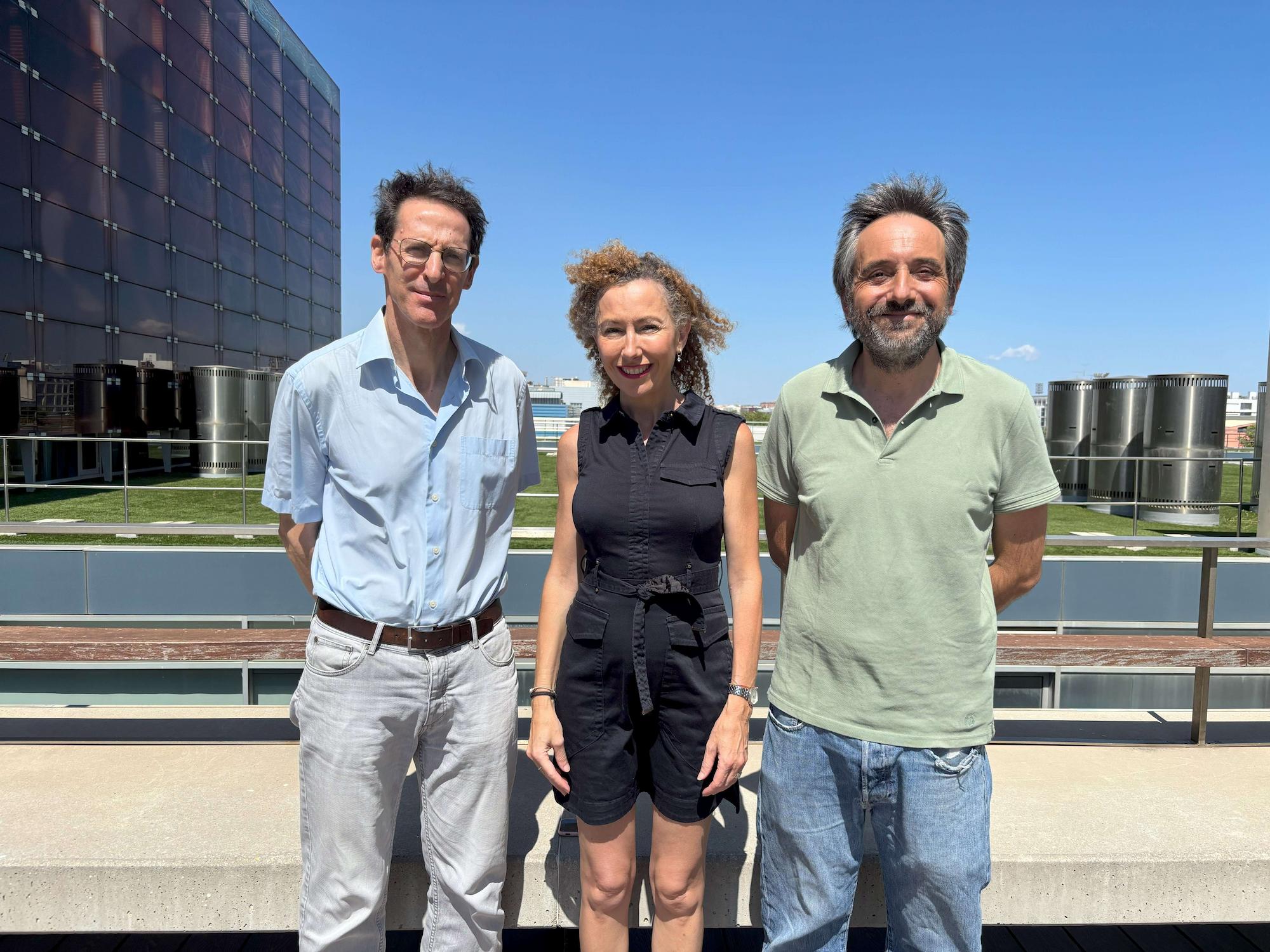
Alongside David Barberá, who leads the INGENIO team for the CSIC part, are Rocío Poveda, who leads the UPV team, and researcher Pablo D’Este.
About INJECTHEAL
The European project brings together scientists, clinicians, engineers, and patient advocates from across Europe, with a total of 13 partners from 8 countries, including Italy, Austria, Germany, Ireland, Spain, Switzerland, and the United Kingdom. Among the partners are the Università del Piemonte Orientale, Trinity College Dublin, Universität Siegen, Joanneum Research, and the Lindsay Leg Club Foundation.
INJECTHEAL puts patients at the center from day one. The Lindsay Leg Club Foundation, a UK-based charity, will coordinate a series of workshops and co-creation activities, ensuring that people living with chronic wounds and their caregivers actively participate in shaping the hydrogel platform. “This approach ensures that what is developed in the laboratory responds to real needs,” project sources explain.