Vision
RESEARCH / FOCAL AREAS
Collaborative processes in the generation and application of knowledge
Knowledge co-creation—the collaborative process where scientists, policymakers, and civil society unite to address complex societal challenges—is central to INGENIO’s mission. This Focal Area (FA) investigates how diverse stakeholders co-produce knowledge within highly situated and political contexts, seeking to bridge the gap between theoretical development and practical application. By refining the methodological and ethical foundations of participatory research, the FA serves as an integrative platform that leverages interdisciplinary expertise. We analyze how collaborative processes intersect with vulnerability, transformative capacity, and equity, ultimately aiming to foster more inclusive and effective knowledge systems.
Objectives
Our research agenda is structured around two interrelated pillars. The first pillar focuses on the methodological and ethical consolidation of co-creation. We develop robust frameworks to analyze the institutional conditions that enable collaboration and examine its broader social and political consequences. This involves advancing innovative approaches—informed by feminist, decolonial, and digitalization perspectives—to identify, implement, and evaluate co-creation practices. By addressing power asymmetries and inclusion dynamics, we aim to strengthen the equity agenda and bridge the gap between the research community, diverse social actors, and local innovation systems.
The second pillar investigates the practical application of knowledge through three targeted research lines: Open and Translational Science; rethinking university knowledge creation and exchange in sustainable transformations; and the third sector and social innovation. Within these areas, we analyze the drivers of multi-actor collaborations and the factors that motivate or obstruct citizen participation in science. We also explore how community-based projects and third-sector initiatives drive socio-technical and ecological transitions. Central to our work is identifying how different configurations of knowledge exchange contribute to just transitions and grassroots innovation, ensuring that historically excluded groups and territories are integrated into the benefits of scientific progress.
PROJECTS
Appropriate technologies and indigenous peoples' knowledge: A Buen Vivir analysis of the technologies implemented by rural Mayan communities in Guatemala
01-01-2023
Álvaro Fernández-Baldor Martínez
Climate Metamorphosis for urban post-disaster recovery
01-08-2024
Oksana Udovyk Saviak
Smart lighting and participatory governance: implementation of artificial intelligence techniques, open data, and citizen science in the Orriols neighborhood (Valencia)
01-07-2023
Álvaro Fernández-Baldor Martínez
ASSOCIATED STAFF

Míriam Acebillo Baque
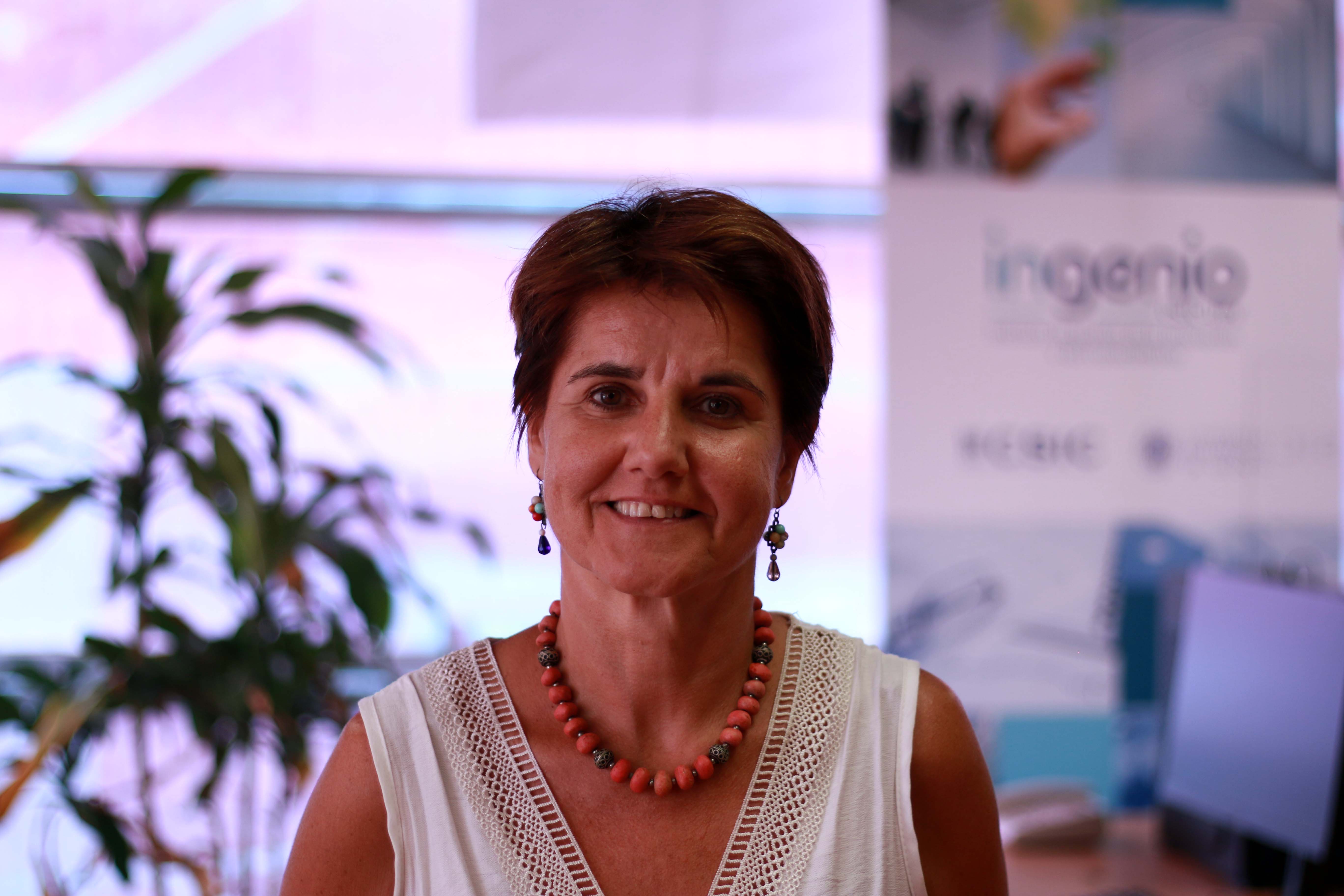
Alejandra Boni Aristizábal
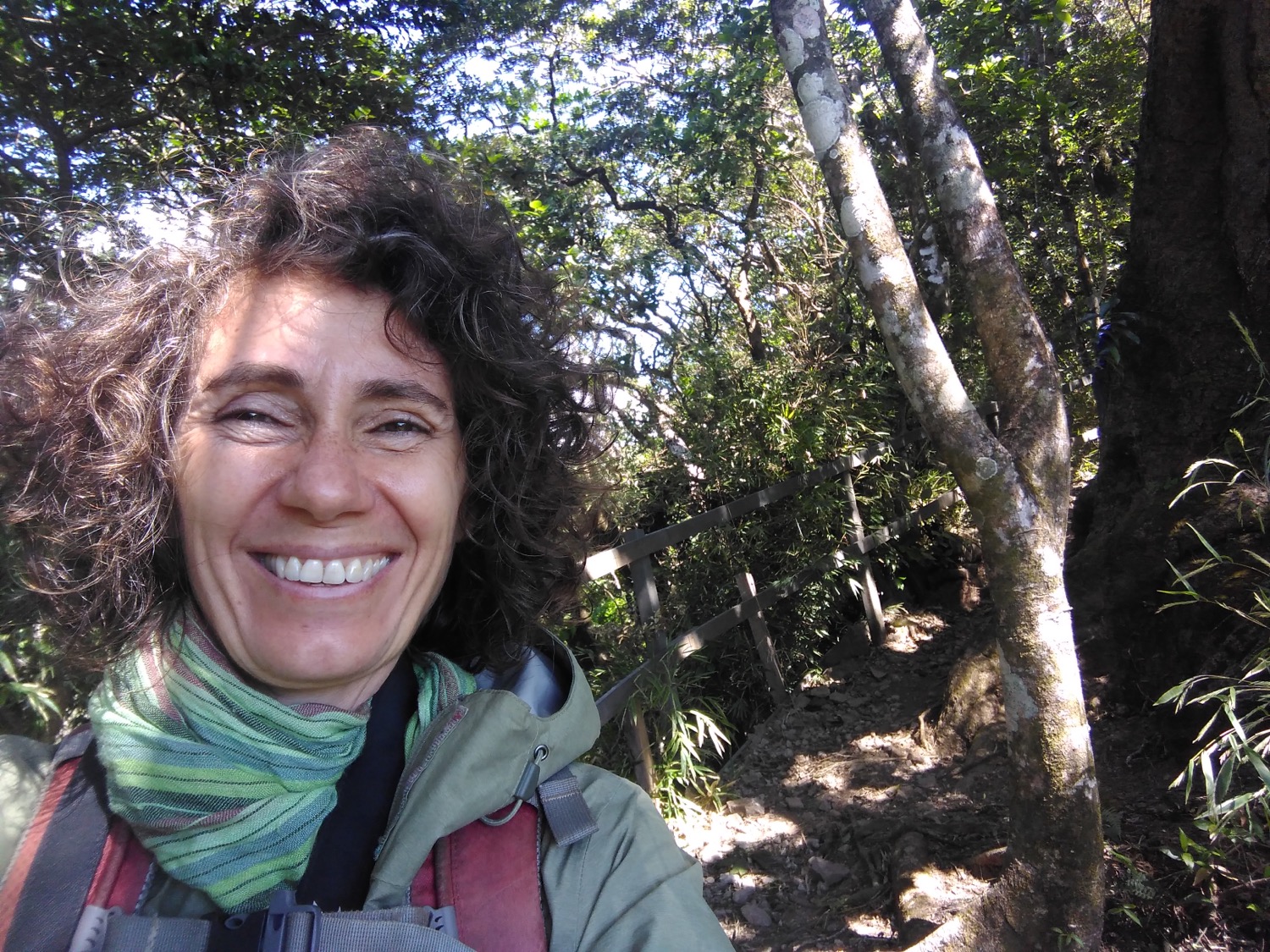
Cristina Chaminade

Ana Escario Chust
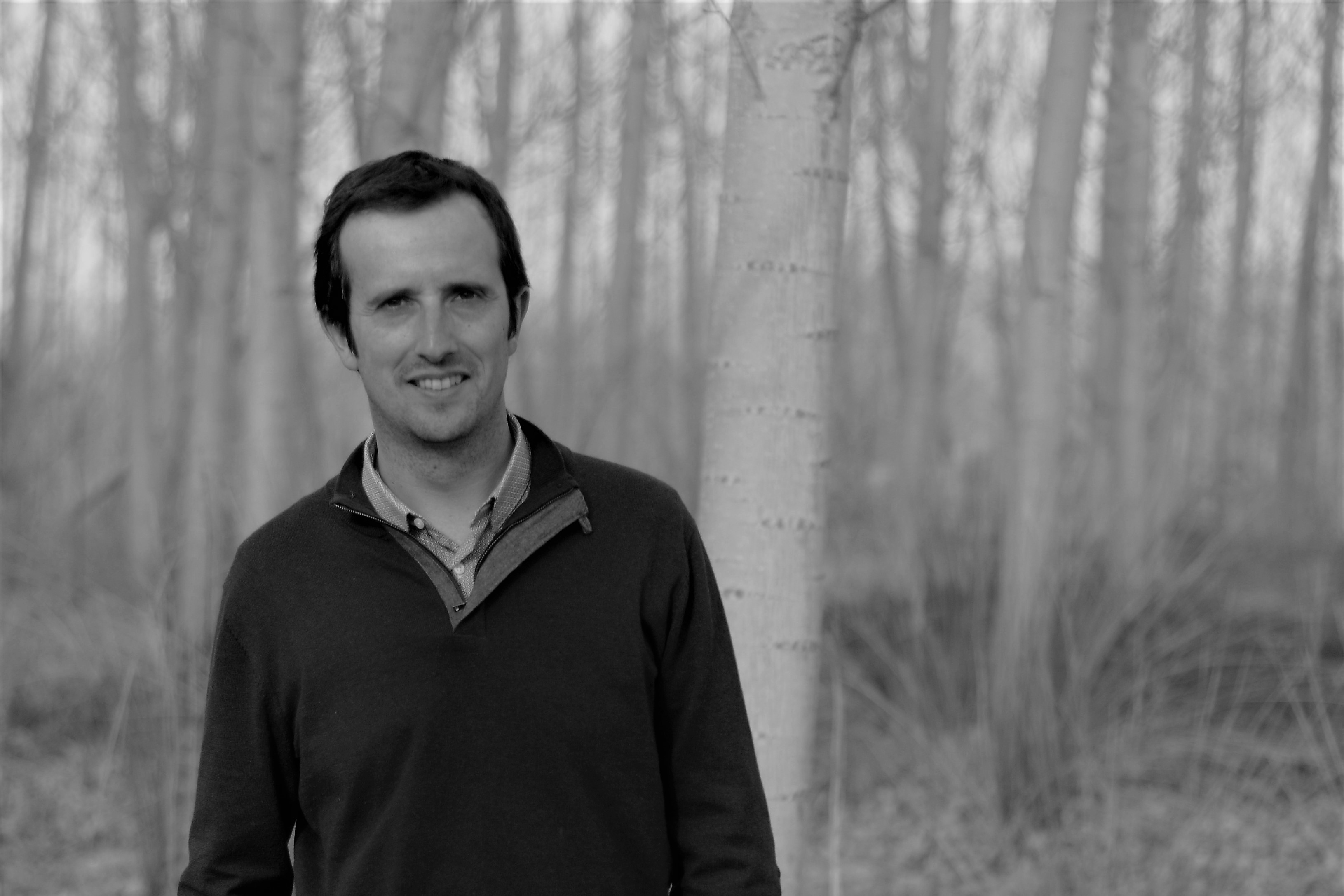
Pablo F. Méndez
Álvaro Fernández-Baldor Martínez

Cédric Gossart
Judit Manuel Martín
Diana Carolina Velasco Malaver
Oksana Udovyk Saviak
Wenceslao Arroyo Machado
Antonio Moya Latorre

Maria del Pilar Bustamante Lliria