INGENIO (CSIC-UPV) is taking part in this project, which examines how European climate policies are driving the transformation of cities towards more sustainable models.
The Transforming Cities project explores the changes needed for cities to achieve climate neutrality, focusing on the cases of València and Stockholm. Over the past few months, the INGENIO (CSIC-UPV) team has participated in several international events to share research progress and explore the capacities cities need to undertake this transition.
The research is framed within the European Union’s Mission to achieve 100 climate-neutral and smart cities by 2030. In this context, the project compares the experiences of València and Stockholm, two of the first cities to receive the EU Mission Label, to understand how locally tailored climate policies can drive change and generate insights for other European cities.
Initial activities and project progress
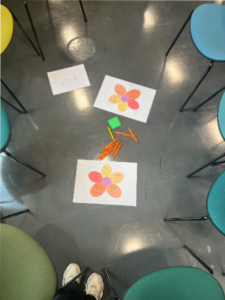
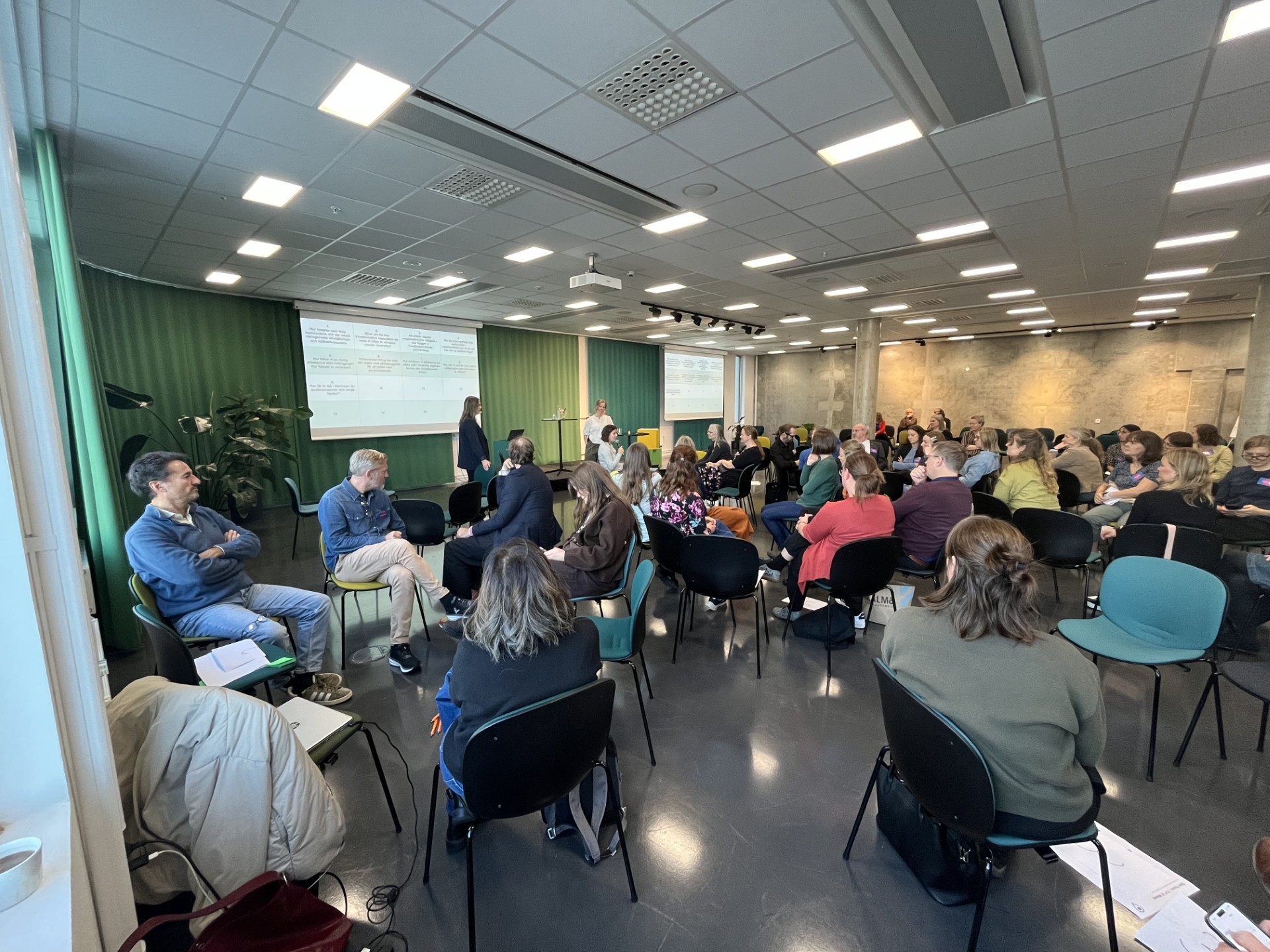
As part of the project, the INGENIO (CSIC-UPV) team participated in the Viable Cities Transition Lab Forum, held in Malmö (Sweden), where it organised an exploratory workshop with local government professionals from cities such as Malmö, Helsingborg and Stockholm. The workshop provided an opportunity to exchange experiences on the capacities needed to advance climate action, addressing issues such as trust, shared leadership, care and collective learning.
“The insights gathered during the workshop will help refine the project’s analytical framework and improve our understanding of the factors that enable urban transformations,” explains Jordi Peris, a researcher at INGENIO (CSIC-UPV).
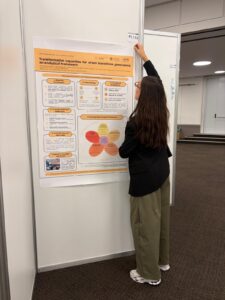
The team also participated in the international Urban Transitions 2026 conference, held in Sitges (Barcelona), where it presented the research’s conceptual framework in a poster entitled Transformative capacities for urban transitions governance: an analytical framework. The conference brought together experts from different disciplines to address the environmental, climate and health challenges facing cities, as well as the role of urban policies in tackling them.
Participation in both events provided an opportunity to share the progress of Transforming Cities and examine its analytical framework in light of experiences and perspectives from other urban contexts.