
Renewable energy from marine global commons (MGC) – science- informed and indigenous knowledge-based recommendations for regulatory and governance challenges
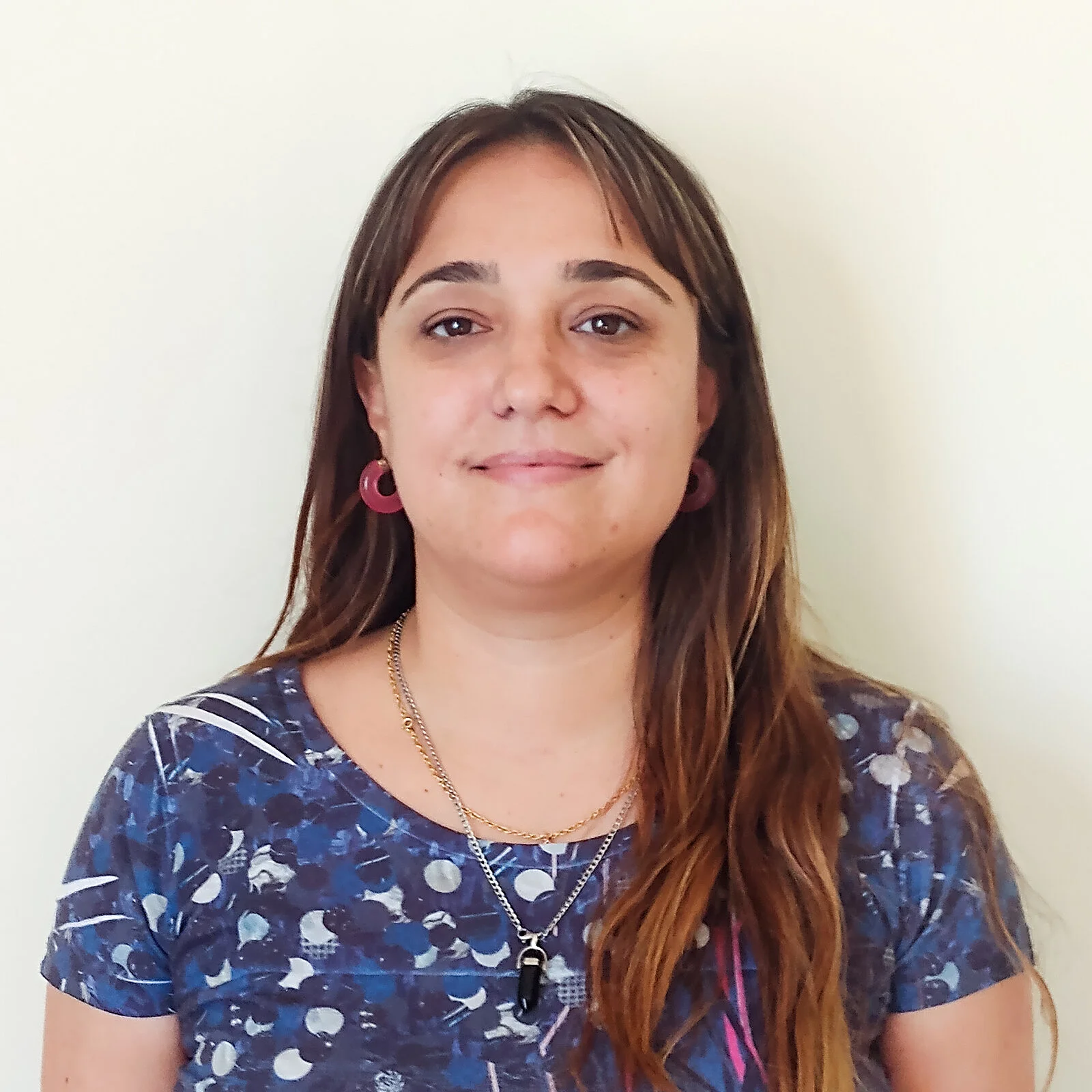
Violeta Radovich | Marie Sklodowska-Curie Fellow at UPV (Universitat Politècnica de València)
07/05/2026 12:00
Sala Descubre/Online Teams. Edificio 8E. Acceso J - 4ª Planta | Universitat Politècnica de València. 46022
Abstract: The law uses the denomination “high seas” and the “Area” to refer to marine areas beyond state jurisdiction or marine global commons (MGC). The high seas are the waters beyond the 200 marine miles. The Area is the seabed and ocean floor beyond the limits of State's jurisdiction. Renewable energy (RE) activities typically fall under state jurisdiction, but advancements in technology have made MGC activities feasible, for instance, the instalment of wind turbines. There is currently no international regulatory framework for RE activities in the high seas. Currently, only seabed mining activities in the Area have been regulated. From the legal viewpoint, the main gap is a lack of an international regulatory framework, informed by participatory mechanisms and supported by scientific evidence, for RE activities on the high seas, especially regarding their environmental and social impacts.
I will comment on the BBNJ Agreement (Agreement under the United Nations Convention on the Law of the Sea on the Conservation and Sustainable Use of Marine Biological Diversity of Areas Beyond National Jurisdiction) which has entered into force this January, after two decades of negotiation. The BBNJ Agreement introduces the participation of indigenous peoples and local communities (IPLCs). This Agreement introduces a whole new chapter in the regulation of MGC, which I think might also inform the necessary regulation of outer space global commons (OGC).
I will share my experience in the Extremes 25 expedition in the Research Vessel KronPrins Haakon in the Arctic last November. A case study involving marine scientists and artists was conducted onboard.
Bio: Violeta Radovich is a Marie Sklodowska-Curie Fellow at UPV (Universitat Politècnica de València), her project is called HIGH SEAS ENERGY. At the beginning her project was developed in the Norwegian Center for the Law of the Sea (NCLOS), Faculty of Law, UiT (The Arctic University of Norway) with collaboration with the Faculty of Geosciences.
Violeta is a Researcher at the Argentine Council of Scientific and Technical Research (CONICET), at Instituto Gioja de Investigaciones Jurídicas y Sociales Ambrosio L. Gioja, Faculty of Law, Universidad de Buenos Aires (UBA). She was a professor at three national universities in Argentina (UBA, UNSAM and UDEF) and has previously worked as legal assessor of the President of the Environmental Law Commission of the Argentine Parliament.
She was an International Climate Protection fellow of the Alexander von Humboldt Foundation at the Walther Schüking Institute for International Law, Kiel, Germany. Previously, she was granted a six-month research fellowship by Bayreuth University, Germany in the Environmental Law and Animal Ecology Chairs. Her research interests lie in the intersection of environmental governance, marine governance, global commons, outer space governance, rights of nature and co-production of knowledge.
________________________________________________________________________________
Microsoft Teams meeting
Join: https://teams.microsoft.com/meet/33692183706685?p=wzRUFZVNn8ZwZhUH16
Meeting ID: 336 921 837 066 85
Passcode: dx6Hp7wy